
What falling life expectancy tells us about parks, health and inequality
The latest national headlines are hard to ignore.
People in the UK are now living fewer years in good health than a decade ago. In many areas, ill health begins before retirement. In the poorest communities, it starts even earlier.
This is not a small shift. It is a warning sign. And it forces a bigger question:
What are we doing about the root causes of health, not just the symptoms?
Health is not created in hospitals

The data shows that rising ill health is driven by:
- inactivity
- poor mental health
- chronic conditions linked to lifestyle and environment
- widening inequality between communities
These are not problems the NHS can solve alone.
They are shaped by the places people live, the environments they can access and the opportunities they have to stay well.
That is where our parks come in.
Parks are part of the health system – whether we treat them that way or not

Access to green space is consistently linked to:
- improved mental wellbeing
- increased physical activity
- reduced loneliness
- better long-term health outcomes
But access is not equal.
The same communities experiencing the worst health outcomes are often those with:
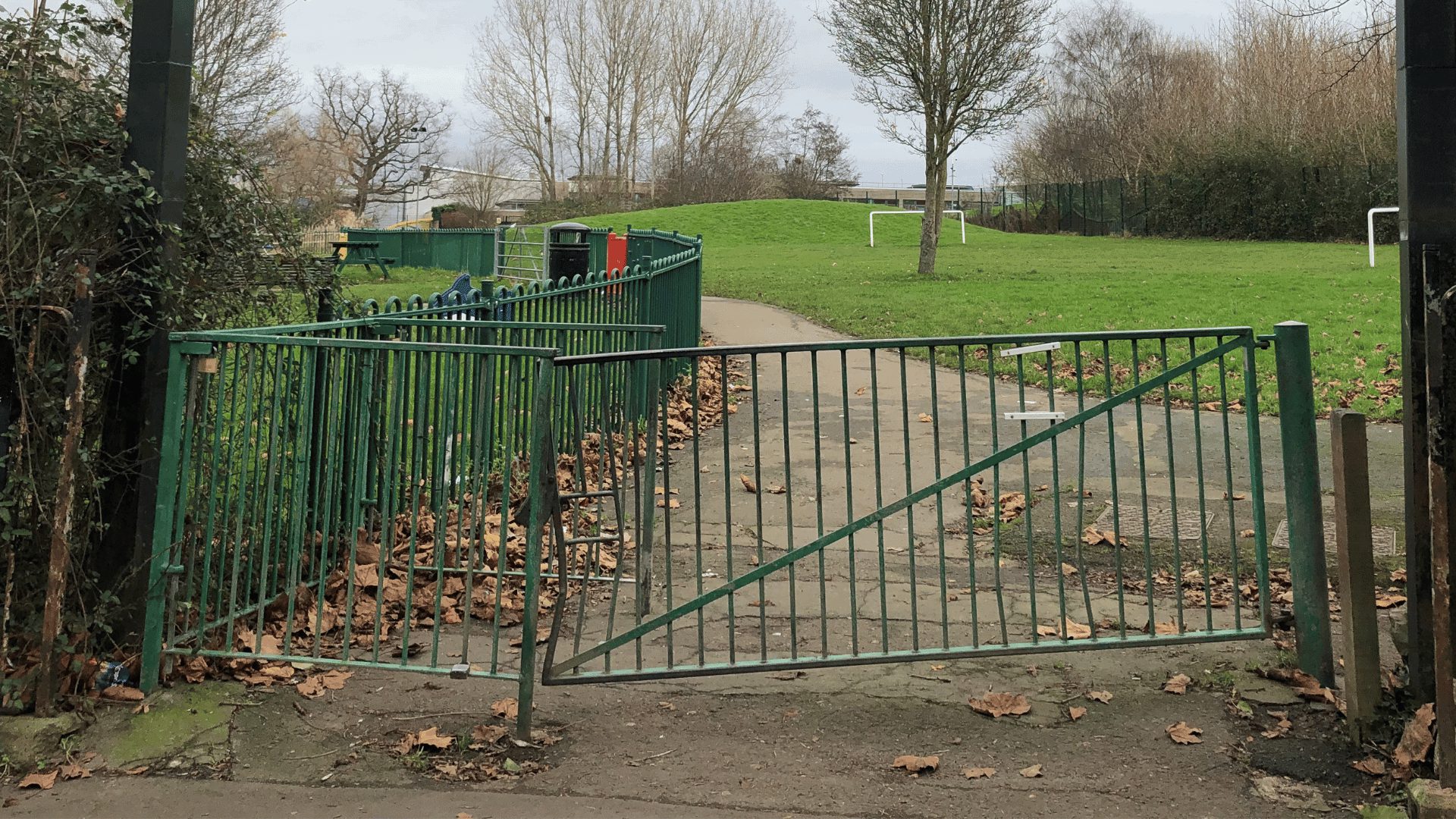
- lower quality green space
- fewer opportunities to engage with nature
- more barriers to access
So when healthy life expectancy drops below 55 in the most deprived areas, that is not just a health issue.
It is a place-based inequality issue.
The system problem we keep ignoring
We know parks matter for health. We know inequality exists.
But we still lack a consistent way to:
- measure and improve park quality across a whole city
- prioritise investment based on need
Which means we are trying to tackle a national health crisis without the local tools to target change effectively.
What we're doing about it

To respond to the health crisis we are seeing, we need to shift how we think about parks:
- from “nice to have” spaces
- to essential health infrastructure
And that requires a system that can:
- define what quality looks like
- measure access and inclusion
- prioritise areas with the greatest need
- track improvement over time
As part of the Nature Together project, we are working with Bristol City Council and Bristol's communities to develop a new Park Quality Framework and we're holding city wide system change conversations to explore solutions.
What is a Park Quality Framework?
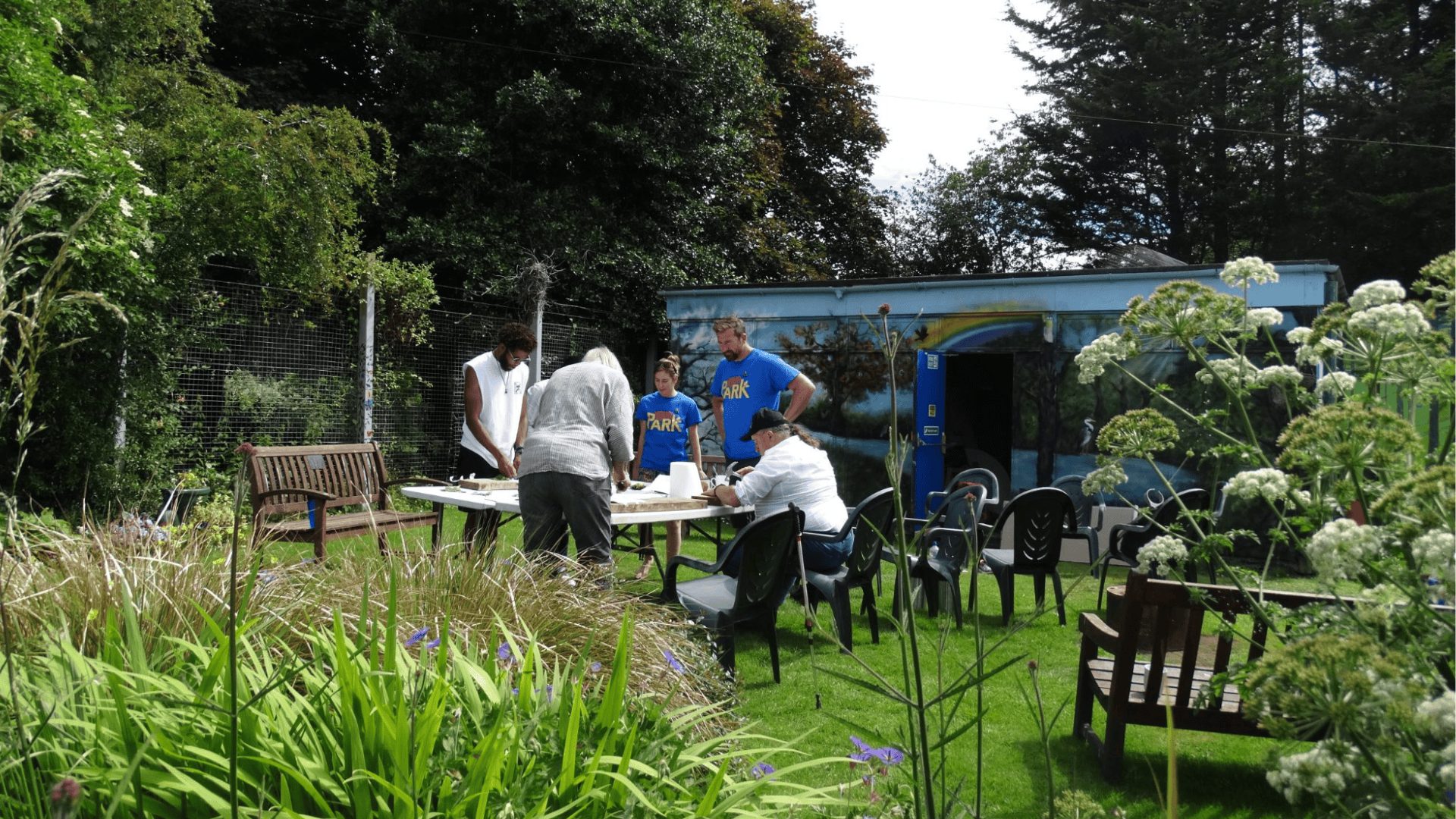
The Park Quality Framework will provide a consistent, city-wide way to define and measure what a “good” park looks like, not just in terms of maintenance, but in terms of health, access and inclusion.
It brings together three things that are currently disconnected:
- Quality – how well a park is maintained and functions
- Access – who can use it, and what barriers exist and what communities want
- Need – which communities would benefit most from investment
By assessing all parks against the same criteria and ensuring communities can define what matters most to them, the framework will make it possible to compare areas, identify gaps and prioritise improvements where they will have the greatest impact on health and wellbeing.
Crucially, it will enable action where is is needed most.
The bottom line
The decline in healthy life expectancy is one of the clearest signals we have that something is not working.
We're under no illusion that parks alone can solve this. Or that we have all the solutions.
But without them, and without a system working together to ensure they are accessible, inclusive and high quality where they are needed most, we are missing one of the most powerful tools we have.
And right now, we cannot afford to miss it.
If you're interesting in joining us on this mission - get in touch.